
Grief is a monster. It consumes its victims, with a jarring bite, entrapping one until they break free–or succumb to it. It’s a serious topic that should be taken seriously and is a normal occurrence. Like any monster, grief can be slain and defeated. It never quite goes away, but it can be overcome. It’s a depressing part of reality that is oftentimes focused on, to help abate the worst outcomes from it, and to let people know that they’re not alone. A lot of media focus on it. Video games, especially.
On February 13, 2026, Tarsier Studios–a video game company known for its previous series, Little Nightmares–released a standalone game, titled REANIMAL. It was a success. And fans were not disappointed with the game. The story, graphics, and gameplay are just sublime. REANIMAL is a video game with an imperceptible story, which, when looked at closely, is evidently about guilt.
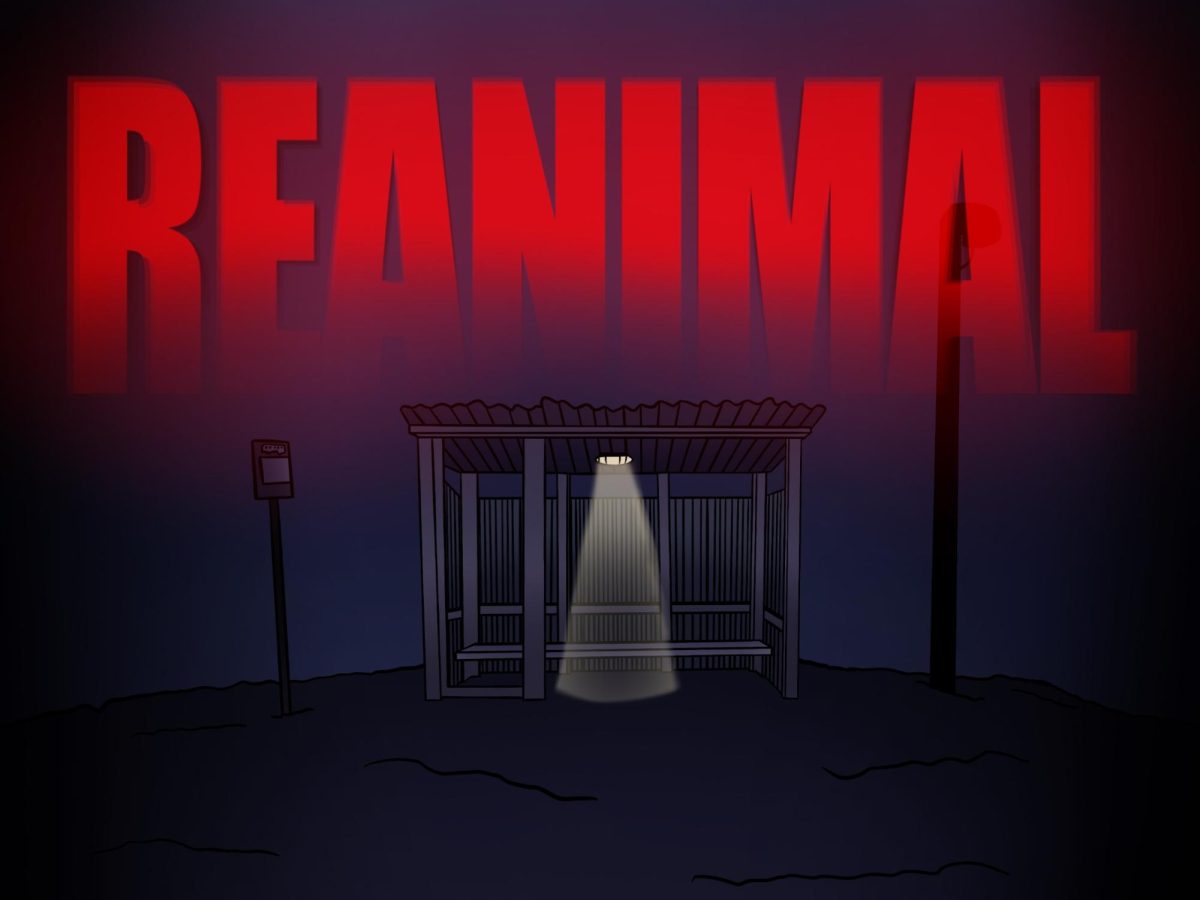
Covering the genre of co-op horror, REANIMAL follows a duo of siblings on their journey to rescue their friends. None of the kids have names, so the main characters are known as The Boy and The Girl. Each character wears unique clothing to distinguish themselves from one another. The game’s landscape is not sunshines and rainbows. It is a gloomy, blue-toned, and abandoned world. Whoever or whatever was last there either left in a hurry or is neglecting it. Despite a clear premise, the story is not quite clear, with the ending even more subtle.
REANIMAL bears so much symbolism, the lamb most notably–oftentimes a symbol of sacrifice in ancient cultures–that it’s hard to know what it actually means. Tarsier Studios is famous for its elusive storytelling, but REANIMAL’s story is even harder to grasp than the company’s previous stories. A lot of people are excited to interpret what it may mean; most of them guess it’s really about guilt. As it turns out, some characters are not as innocent as they seem. The game could be about letting go of a never-ending cycle of guilt for something abhorrent they did. Some gamers feel it’s way too hard to understand what is happening, which is an unfavorable comment on the game. So, it depends on the player; the story will either be the best thing they see or the worst.
The opening scene of REANIMAL shows a zoom-out shot of The Boy in a boat, in a vast, foggy sea. The realistic water just illustrates how beautiful the graphics are and will be for the rest of the game. REANIMAL’s animations were not disappointing; the monsters gave an uncanny feel, furthermore disquieting players. In one of the scenes, a monster tricycles towards the characters at a hasty speed–an action both shocking and terrifying to see. It’s clear Tarsier Studios put in a lot of effort, and it was definitely worth it.
Lasting roughly around three hours of gameplay, REANIMAL is short. But it offers plenty of puzzles and gruesome scenes. The game offers co-op, meaning two people can play the game together, either online or in-person. Players get to play in a cinema, battleship, school, and so many more unique places. Each chapter combines both the average gameplay and cinematography. In the school, there’s a chase scene, where the characters run up a flight of stairs, with a bird’s-eye view zoom used, altogether making the scene even more stressful. For many, the playthrough was not disappointing. The gameplay strengthens the story if it really is about guilt.
Letting go can be hard. For many, it’s guilt. But for Tarsier Studios, it was their previous video game series, Little Nightmares. Before, the company was originally owned by Bandai Namco. When Tarsier Studios left and switched companies, they had to leave ownership of the series, the one that started it all, to their former parent company. With new freedom comes sacrifice. The company now has a lot more freedom to do as they please, but they lost their beloved series in the process. REANIMAL isn’t just a video game known for its story, graphics, or gameplay. It’s a symbol of Tarsier Studios’ new journey.