
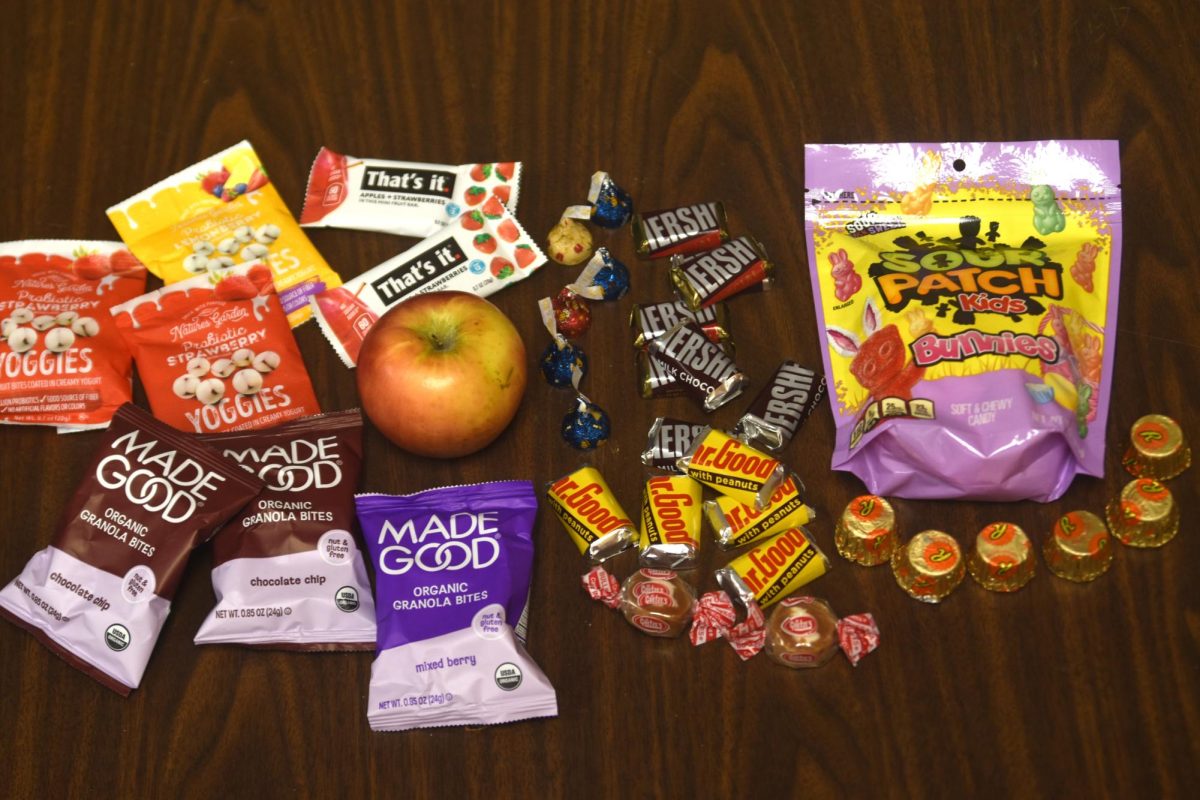
While the United States may seem to be superior in many places, such as education, equal rights, and technology, one area in which the US struggles is in diet. According to Ballard Brief, “Seventy-three percent of the food on the grocery store shelves in America is ultra-processed, and the US is currently the top-ranked country for UPF (Ultra Processed Foods) consumption in the world.” The US also struggles with other unhealthy foods, such as food dyes and sugar. These foods are bad for people and can cause many different types of effects, both in the short term and long term. “When I eat a bunch of junk food, though it may taste great in the moment, it makes me feel gross afterwards,” says an eighth-grade student at Cannon Falls.
Though foods such as chips, cookies, and sugary cereals may taste great, they are processed foods, which can lead to serious health effects in the long term. As found on the American Medical Association (AMA) website, “Consuming ultraprocessed foods on a regular basis increases a person’s risk of health complications including cardiovascular disease, certain cancers, obesity and type 2 diabetes,”
Another element of food that is unhealthy is one that few people realize. Artificial dyes (food dye) are in many foods, such as colorful candy. Henry Ford Health states, “A review of the existing research, published in 2022, found evidence from both animal and human studies that suggested artificial food dyes can affect behavior in children. Experts say there’s no evidence that food dye causes ADHD. However, it can cause hyperactivity and might make ADHD symptoms worse.” The site also mentions that food dyes can contribute to certain cancers, DNA alterations, and allergies.
Not only do the obvious ones have food dye, but foods that may seem like they have no food dye sometimes contain food dye. Marshmallows are an example. Though marshmallows are white and aren’t colorful, sometimes they have food coloring added to them to combat the natural yellow tint and make them a bright white. Other unsuspected foods that have food dyes are pickles, sweet and sour sauce, and some medicines.
The only reason that food coloring is added to foods is to appeal to the eye. They add no flavors, they don’t have nutritional value, and they don’t preserve food. Bella Boyum adds, “It really infuriates me that dyes are in foods, when they really aren’t necessary, because I know that they can have negative effects on people, such as my cousin. If she has red dye, she gets very angry and aggressive.” Many feel that the United States should ban food dyes, while others enjoy the color that they add to their food.
Other countries around the world have found alternatives to food dye. For instance, when comparing the popular breakfast cereal, Fruit Loops, with the American vs Canadian version, they are both made with the same ingredients, yet Canada’s version excludes artificial dyes. The only noticeable difference between the two is that the United States’ version has more vibrant colors, whereas the Canadian version has more muted colors. They both taste the same, and though the Canadian version of Froot Loops isn’t by any means healthy, they are a better alternative, because they don’t include dyes.
Of course, sugar intake is always a problem anywhere. One of the main issues with sugar intake in the US is that it is available in so many different places. With meals at restaurants, you have the option to include a soda, at school, teachers give out candy as rewards, and many staple items in the average American diet include lots of sugar (Such as pancakes, yogurt, and ice cream). Although fresh foods may be healthier, some also include sugar, which adds up over time if people are also consuming processed sugars.
As found on the UCLA Health website, “Sugar stimulates the neurotransmitter dopamine. Dopamine plays a role in how we experience pleasure (and also is the locus of such addictions as drugs and gambling).” This supports the theory that sugar is addictive, making it hard to stop eating.
The Los Angeles Times reported an experiment tested on rats. 24 rats that had become addicted to cocaine were put in cages with two levers. One of the levers supplied the rats with cocaine, and the other lever supplied the rats with very sweet water, and at the end of ten days, most of the rats preferred the sweet water over the cocaine.
Though it seems like processed foods, artificial dyes, and sugar are everywhere, there are ways to cut back on them. It isn’t fully realistic to cut these foods out of one’s diet completely, but it is possible to significantly reduce one’s intake of them. Try to consume many fresh foods each day. Normally, foods found in the fridge are healthier alternatives to foods found in the pantry. Low-sugar yogurt, fruits, vegetables, nuts, eggs, cheese, granola, and peanut butter are all healthy snacks.
A survey completed by 129 middle school students revealed that many enjoy snacks that aren’t nutritious. Chocolate, sweet candy, and chips were all foods that were deemed “good” by the middle school students. On the other hand, dried fruits, granola bars, and vegetables were all disliked amongst the students. A positive finding from the survey was that many enjoy fresh fruit, which has several good health aspects.
It may be hard to resist temptations at first, but after a while, the desire for junk food will go away. Not only will it make people feel better in the moment, but it will also benefit the person in the long term. If anyone is looking for a place to start, start small and then gradually progress. It’s actually easier than one may think.